Georgia Permit & Stamping Requirements
Requirements vary by region, code cycle, seismic zone, and wind or snow load. Here is what typically drives design for Georgia projects.
What Drives Design in Georgia
Georgia projects are governed primarily by wind uplift and coastal exposure.
- ✓ Wind load design per ASCE 7 exposure category
- ✓ HVHZ or TDI windstorm documentation where applicable
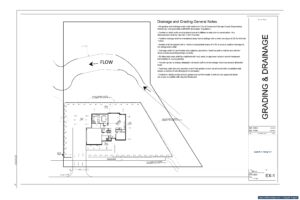
- ✓ Site grading and stormwater drainage plans
Exact code edition and local amendments vary by city and county. We confirm the specific requirements for your address before drafting.
Code in effect in Georgia
Georgia enforces statewide minimum standard codes set by the Department of Community Affairs. Since January 1, 2026, those are the 2024 International Residential Code and 2024 International Building Code with Georgia Amendments. The energy code remains the 2015 IECC with Georgia Amendments.
What to plan for
- ✓ Georgia Amendments modify the base International Codes, so the amendment packets must be read alongside them.
- ✓ The 2015 IECC energy code is still in effect while newer editions are reviewed.
- ✓ Some cities allowed projects already in the permitting process to finish under the prior codes during the transition.
Code information last verified September 2026. Codes change, so we confirm the edition in force for your address before drafting.
Frequently asked questions about Georgia permits
Which code edition does Georgia use now?
Since January 1, 2026, Georgia uses the 2024 IRC and 2024 IBC with Georgia Amendments as its mandatory statewide minimum codes. The energy code is still the 2015 IECC with Georgia Amendments.
Can my city require more than the state code?
Local jurisdictions enforce the state minimum codes and may add local requirements. We confirm what your city or county requires before drafting.
Sample Work & Other States

Foundation Plan
View full portfolio › Structural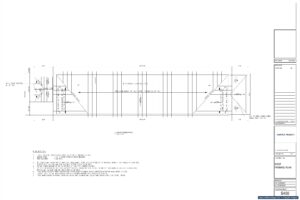
Roof Framing Plan
View full portfolio › Civil / Site